


Why Your Tankless Water Heater Goes Cold in the Shower
Last Updated: November 10, 2026
Quick Summary
A tankless water heater goes cold in the shower when water flow drops below the unit's minimum flow rate or the heater briefly cannot keep up with demand. In most cases the cause is a flow issue, a temperature setting, or mineral buildup rather than a broken heater.
Every tankless water heater has a minimum flow rate that must be met before the burner ignites.
A clogged or restricted showerhead can make the flow sensor keep the burner off.
Cold water sandwiches can occur when cold water left in the hot-water line comes out first.
If only the shower runs cold while other fixtures stay hot, check the showerhead and valve first.
Flushing every six to twelve months helps keep the heater running well.
Why does my tankless heater go cold?
MZ Plumbing LLC diagnoses tankless water heater problems across North Idaho with a free estimate.
Table of Contents
Why a Tankless Water Heater Goes Cold During a Shower
A tankless water heater goes cold in the shower when the water flowing through it drops below the unit's minimum flow rate or when the heater briefly loses its ability to keep up with demand. In most cases, the problem is a flow issue, a temperature setting issue, or a mineral buildup issue rather than a broken heater. A few simple checks usually reveal the cause.
Most tankless units switch on only when water flow exceeds a set threshold. If flow is too weak, the burner stays off and the shower runs cold. If flow changes mid-shower, the heater may shut off and restart, causing a sudden hot-to-cold switch.
Minimum flow rate and flow-sensor activation
Every tankless water heater has a minimum flow rate, which is the least amount of water that must pass through the unit before the burner ignites. The flow sensor inside the heater measures this flow.
A common mistake is assuming the heater is broken when the real issue is a clogged low-flow showerhead. Remove it and clean out any mineral deposits from the nozzles first.
Watch out: do not remove the flow sensor or change internal parts yourself. Opening the unit can expose you to gas or electrical hazards, so call a licensed technician for anything inside the heater.
The cold water sandwich between hot-water draws
A cold water sandwich happens when the hot-water line still holds cold water from a previous draw. That water comes out first, followed by hot water. Running the shower briefly, turning it off, and turning it on again can produce a burst of cold water before the heater catches up.
This is more noticeable when the hot-water line between heater and shower is long. It does not mean the heater has failed; running the water for a few seconds usually clears the cold water from the line.
Step-by-Step: Diagnose a Tankless Water Heater That Stops During a Shower
This sequence separates three possibilities: a flow problem at the fixture, a mixing or temperature problem at the shower valve, or a fault inside the heater. Work through the steps in order and stop at the first point where the evidence is clear.

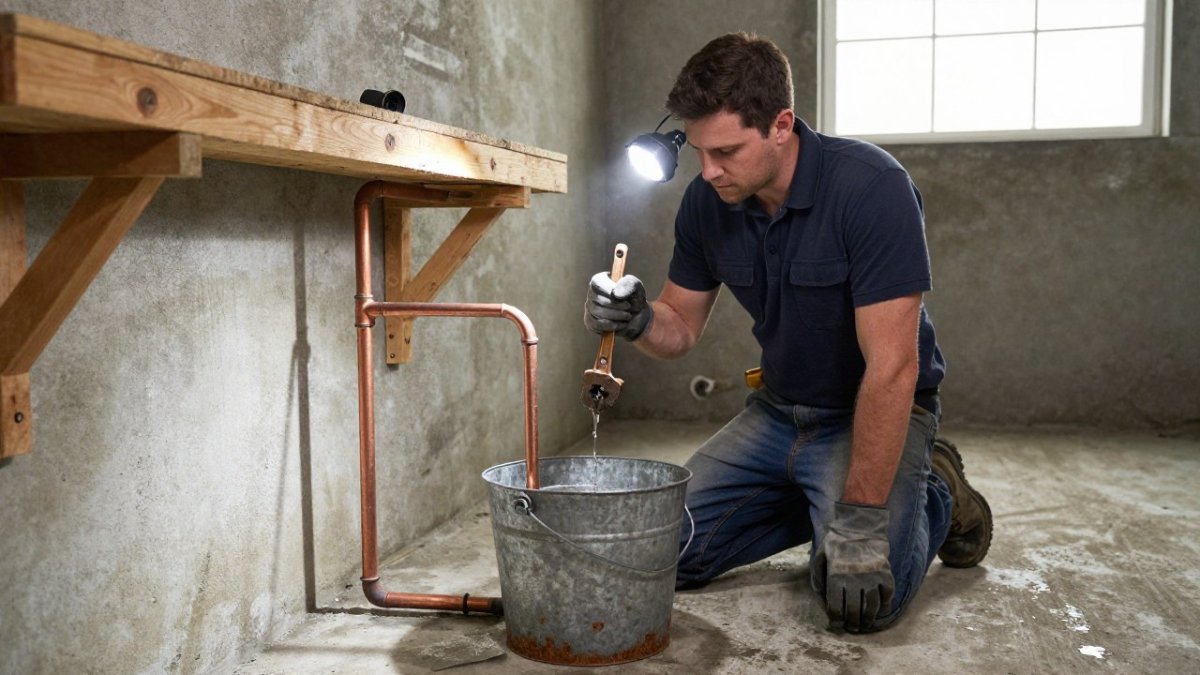
What you need: a bucket with volume markings or a container of known size, a stopwatch or phone timer, a flashlight, and the owner's manual for the heater model so you can look up its minimum flow rate and any display codes.
Step 1: Determine whether the problem follows the heater or the fixture
Run the shower that goes cold, then run a different fixture in the home, such as a kitchen faucet, at the same time. If the second fixture also drops to cold or the heater cycles off, the cause is likely at the heater or the main hot-water supply. If only the shower goes cold while other hot-water fixtures stay steady, the cause is more likely at the shower's own fixture, valve, or flow path.
A pattern of cold water only at one shower usually points to a restricted showerhead, a partly closed or clogged shower valve, or a mixing-valve problem. A pattern at every hot-water outlet points to the heater, its flow sensor, its gas or electrical supply, or pressure at the main line.
Step 2: Measure flow at the showerhead
Remove the showerhead's restrictor if the model has one and place your container under the outlet. Time how long it takes to fill to a known volume, then divide volume by time to get gallons per minute. Compare that figure with the minimum activation flow in your heater's manual.
Models differ, and the manual's specification sheet is the only reliable reference for your unit's activation threshold. If measured flow is below that threshold, the heater is working as designed; clean the showerhead, fully open the valve, and measure again.
Step 3: Observe the heater during a draw
With the shower running, watch the heater's display or indicator lights. Record whether the burner ignites, whether the unit shuts down, and whether an error code appears. Note the code exactly and look it up in the manual. A code that references flow, ignition, or temperature sensors points to a diagnostic path that needs service.
Watch out: if you smell gas, see scorching, hear banging, or the unit repeatedly fails ignition, shut off the gas supply at its valve if it is safe to reach, leave the area, and call your gas utility or a licensed technician. Do not attempt to open the burner compartment or adjust gas or electrical components yourself.
Step 4: Check pressure at the fixture
If flow measurements are low at several outlets, check static water pressure at an outdoor hose bib or a basement spigot with a simple pressure gauge. Very low pressure at the main line is a plumbing-system issue, and a licensed plumber should evaluate it, including any pressure-regulating valve at the building supply.
When to stop and call a licensed technician
Stop the homeowner checks and schedule service if the heater shows a persistent error code after you have cleaned the showerhead and confirmed adequate flow, if the cold-and-hot cycling continues at every outlet, or if you notice any gas, electrical, or venting concern. Bring your notes on flow readings, the time pattern of the cold water, and any display codes. Those details shorten the diagnostic visit considerably.
The diagnostic steps point to a few distinct causes, and this table sums up what each check tells you.
Check | What it shows | Next action |
Other fixture also runs cold | Problem is at the heater or main supply | Check heater display and supply |
Only the shower runs cold | Problem is at the fixture or its valve | Clean showerhead, inspect valve |
Measured flow below minimum | Flow sensor keeps burner off | Clean showerhead, fully open valve |
Persistent error code | Heater needs diagnostic service | Note code, call a technician |
Low pressure at several outlets | Plumbing supply issue | Have a licensed plumber evaluate |
Gas smell or scorching | Serious hazard | Shut off gas, leave, call for service |
Why Your Tankless Water Heater Goes Cold Then Hot Again
A shower that alternates between cold and hot usually means the heater is repeatedly losing and regaining its activation condition.
The most common triggers are demand changes elsewhere in the home.
Mineral scale produces a similar symptom. As scale builds on the heat exchanger, the unit reaches outlet temperature sooner and may shut down under load.
A heater set close to its maximum output has little margin, so a small change in incoming water temperature or flow can trigger cycling.
A shower valve that is worn or a pressure-balancing cartridge that is failing can cause the same erratic delivery.
To separate causes, note when cold water occurs.
How to Descale a Tankless Water Heater Safely
Descaling removes mineral buildup from the heat exchanger and restores normal flow.
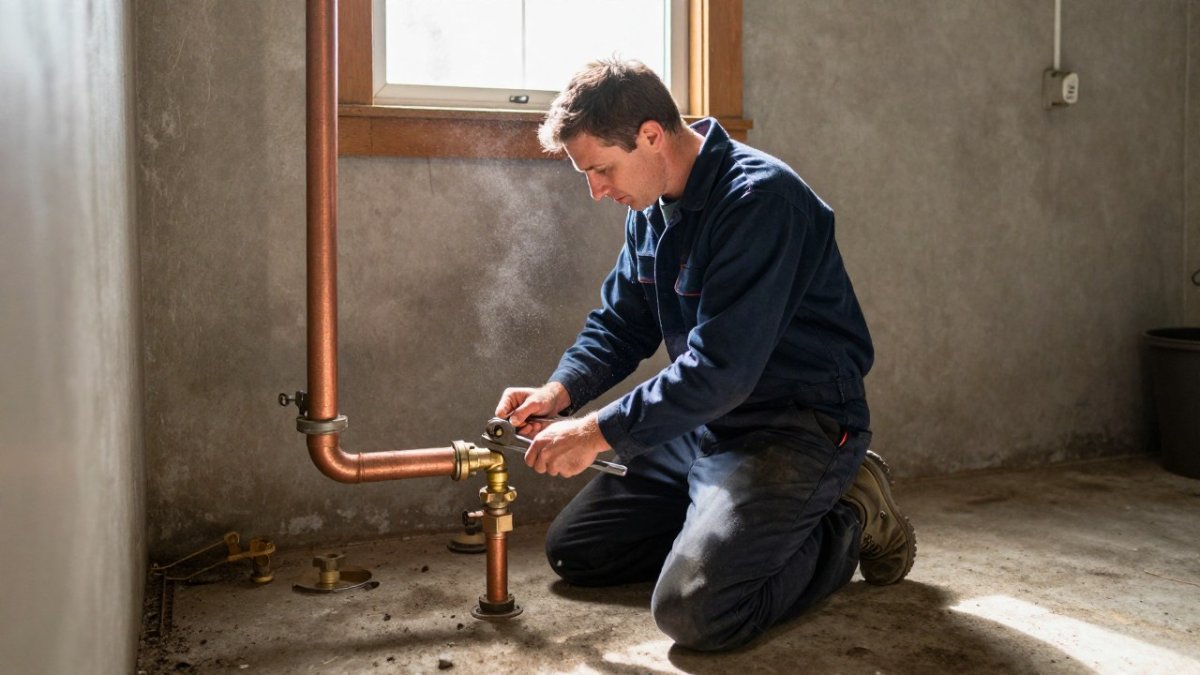
Turn off the power or gas supply to the heater before starting. Connect a descaling pump and hoses to the service valves, then circulate a descaling solution approved by the manufacturer through the unit.
Watch out: never use a descaling solution the manufacturer has not approved, and never mix chemicals. Wear gloves and eye protection, and keep the work area ventilated.
If you are not comfortable working with the gas, electrical, or water connections, have a licensed plumber handle the descaling. You can book a diagnostic visit with our plumbers if you have traced the problem to the heater itself.
How to Flush a Tankless Water Heater and Schedule Your Next Service
Flushing clears sediment and loose scale from the water lines and heat exchanger. Unlike descaling, it uses plain water and water pressure to move debris out, and it is a good step before or after a descale.
Flushing every six to twelve months helps keep the heater running well. Older homes can also have drain issues, so plan maintenance with that in mind.
To keep your hot water steady, call for a free quote at 208-966-2479. Our veteran-owned team offers free estimates upon arrival and serves homes across North Idaho.
Tankless water heaters that go cold in the shower almost always have a traceable cause, and most of those causes can be checked without taking the unit apart.
Frequently Asked Questions
Why does my tankless water heater get cold during showers?
The most common causes are shower flow dropping below the heater's minimum flow rate, a low-flow showerhead, or a restriction that keeps the flow sensor from activating the burner. Mineral scale inside the heat exchanger can also reduce heating performance over time. Start by checking the showerhead and whether other fixtures are running at the same time, then verify flow and temperature settings against the manufacturer's manual for your model.
Is flushing a tankless water heater the same as descaling it?
Flushing and descaling are related but not identical. Flushing circulates water through the unit to clear sediment and loose debris, while descaling uses a diluted acid solution, commonly vinegar or a commercial descaler, to dissolve mineral scale from the heat exchanger. Follow the manufacturer's instructions for the solution and contact time, and turn off power or gas before connecting any service valves.
When should I call a plumber about a tankless water heater going cold?
Call a licensed plumber if the cold water persists after you have checked the showerhead and flow, if the unit shows an error code, if it cycles on and off repeatedly, or if you smell gas or see soot or scorching near the burner. Those signs can point to ignition, venting, or combustion problems that require professional diagnosis. MZ Plumbing LLC offers free estimates upon arrival; call 208-966-2479 for a quote.
Comments